Aynati

by Jehan


One piece. Five thousand years of sight.

Aynati

by Jehan

One piece. Five thousand years of sight.

Acquire

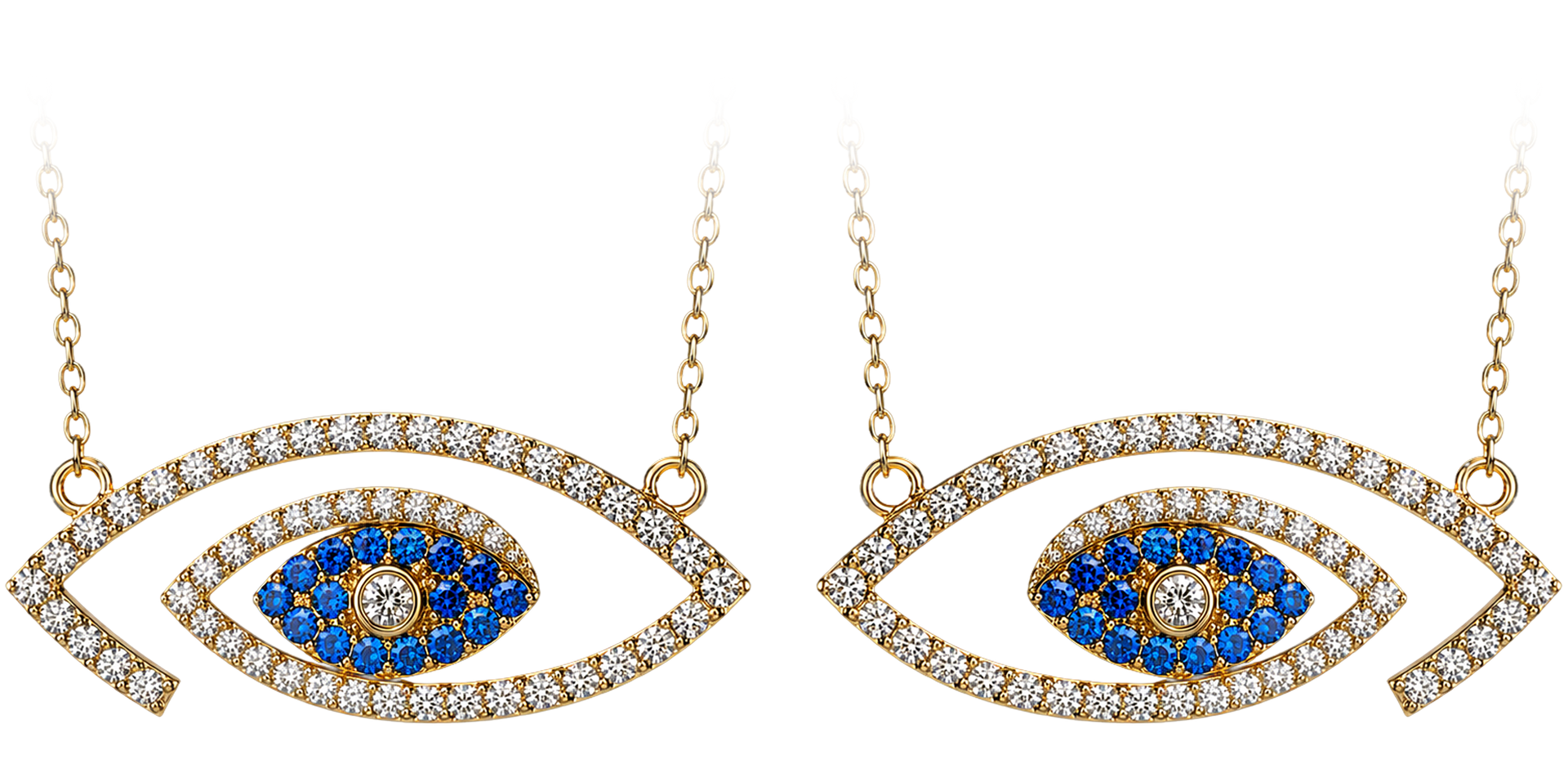
Available as a single piece or as a pair to be shared.

My sight. My awareness. What I choose to see.

Aynati

One for you and one to be given

The Shared Eye

18k Gold · Blue Diamond · White Diamond

EXPLORE

The eye has always known.

Before it was jewelry it was language.

Before it was language it was instinct.

Across five civilizations, one symbol endured.

EXPLORE

The eye has always known.

Before it was jewelry it was language.

Before it was language it was instinct.

Across five civilizations, one symbol endured.

CHAPTER I

The eye has always known.

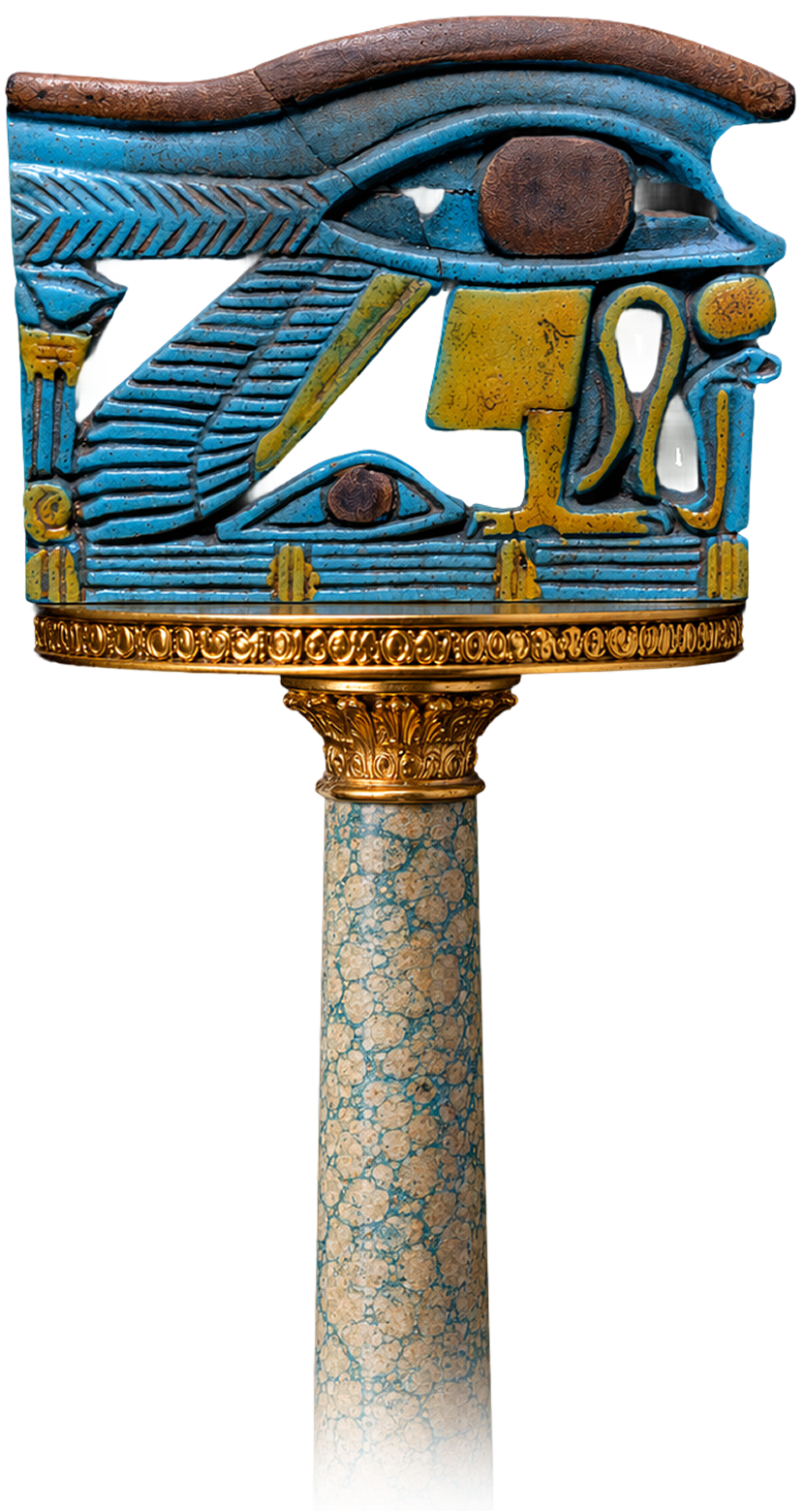
3000 BCE Kemet, Ancient Egypt

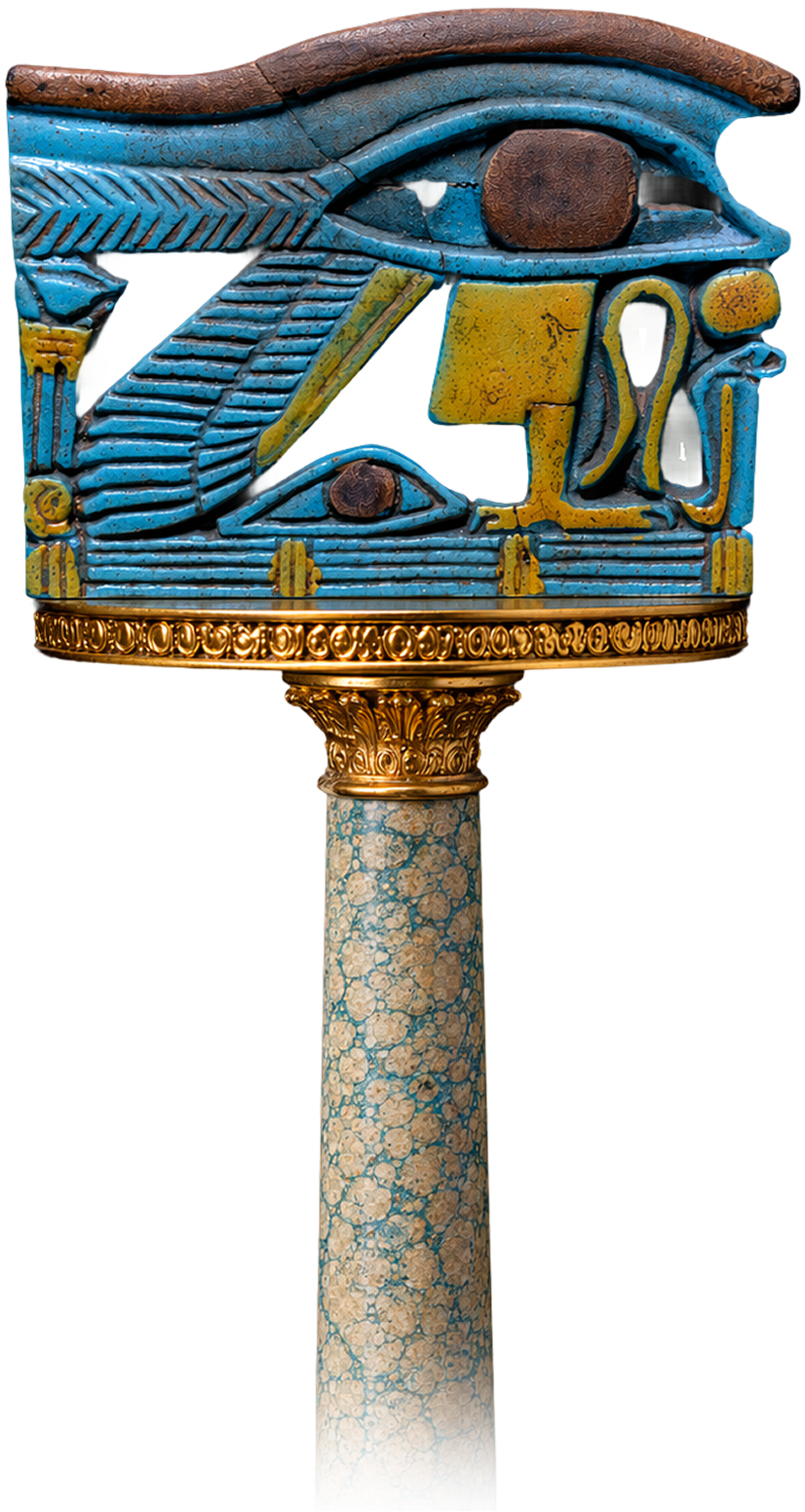
The falcon-god Horus loses his left eye in battle with Set, the god of chaos. The healer-god Thoth restores it — and in that act of restoration, the eye becomes whole beyond its original form.


The Wedjat — literally "the whole one" — is not a symbol of vision but of recovery. A prototype of what it means to see again after being broken.


It is inscribed on amulets placed over the hearts of the dead, pressed into the wax seals of pharaohs, worn by the living as a reminder that what is broken

can be made whole again.

The Eye That Restores

✦ The blue kohl markings of the Wedjat live today in the blue diamond liner of Aynati.

CHAPTER II

1500 BCE Canaan, Mesopotamia

As trade routes deepen across the ancient world, the eye moves with them.


Merchants carry eye beads from the Nile to the Aegean. Seal-cutters in Canaan and Mesopotamia press the motif into clay and lapis. The symbol crosses every border it encounters.


The eye belongs to no single people. It becomes a shared grammar of protection — available to anyone who needs to say: watch over what is precious.

The Eye That Travels

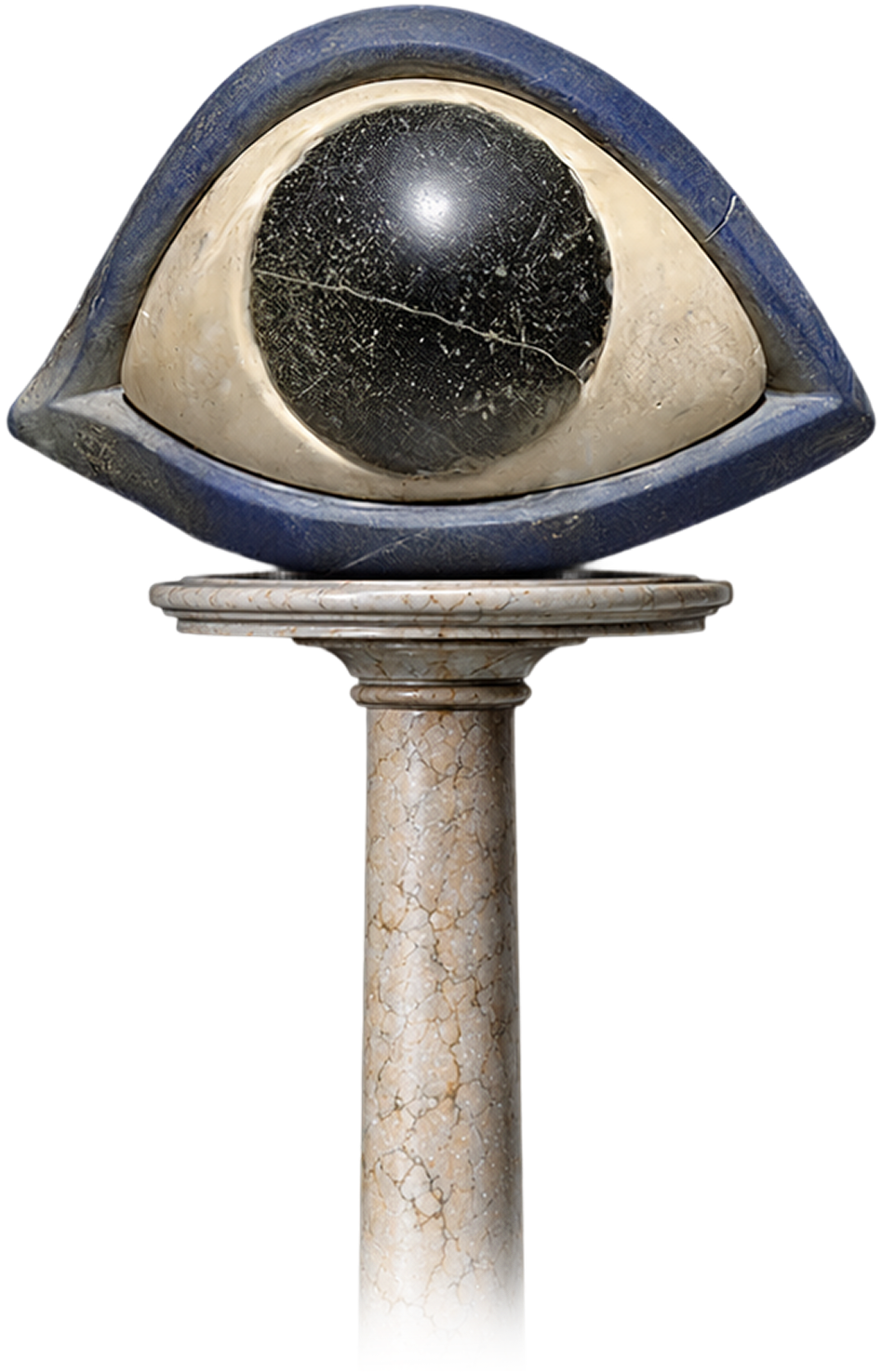
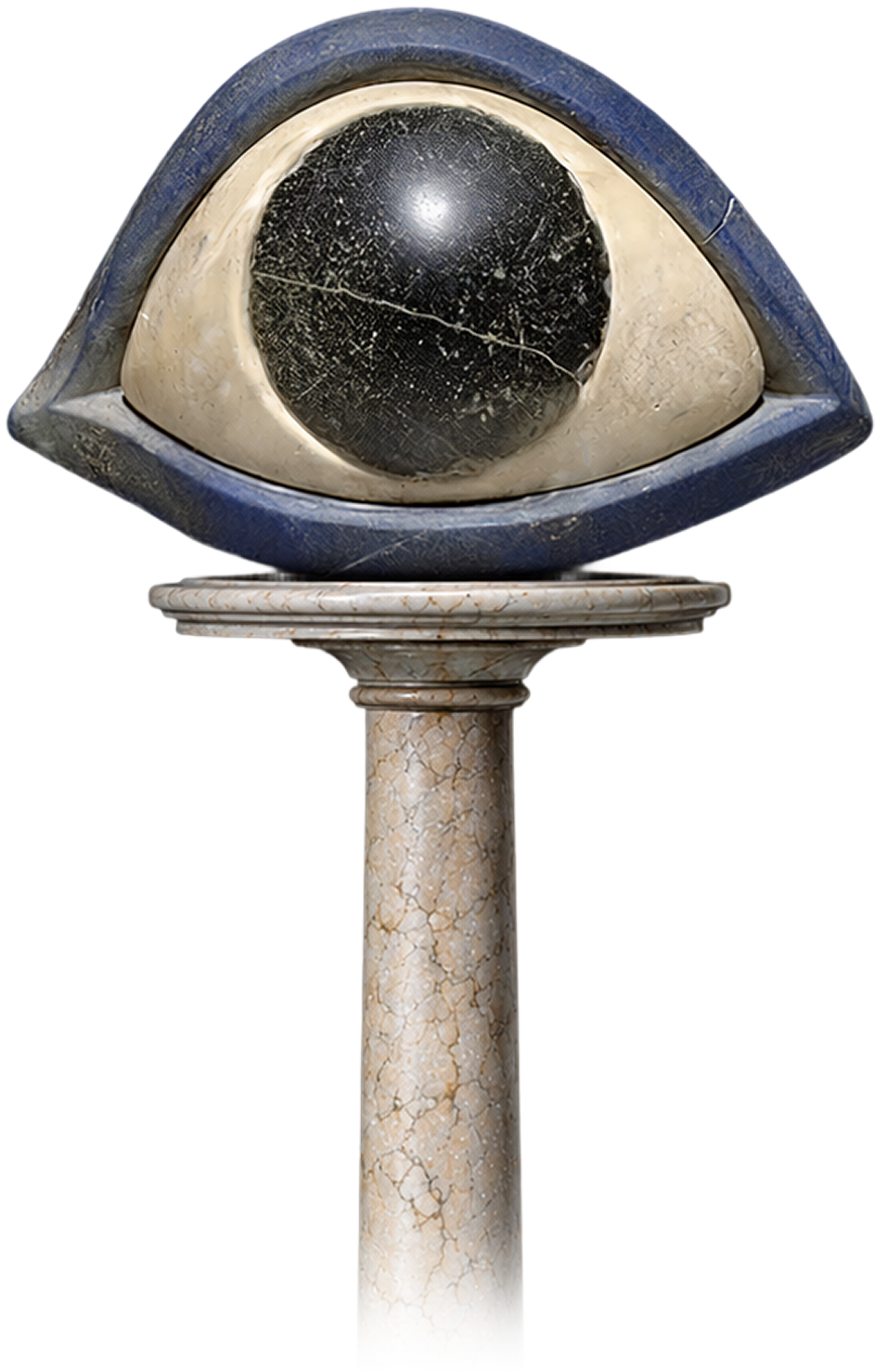
✦ The deep lapis blue of the traveling bead lives today in the blue diamond field of Aynati.

CHAPTER III

500 BCE Classical Antiquity, Byzantine

In the classical Mediterranean world, the eye finds its shadow.


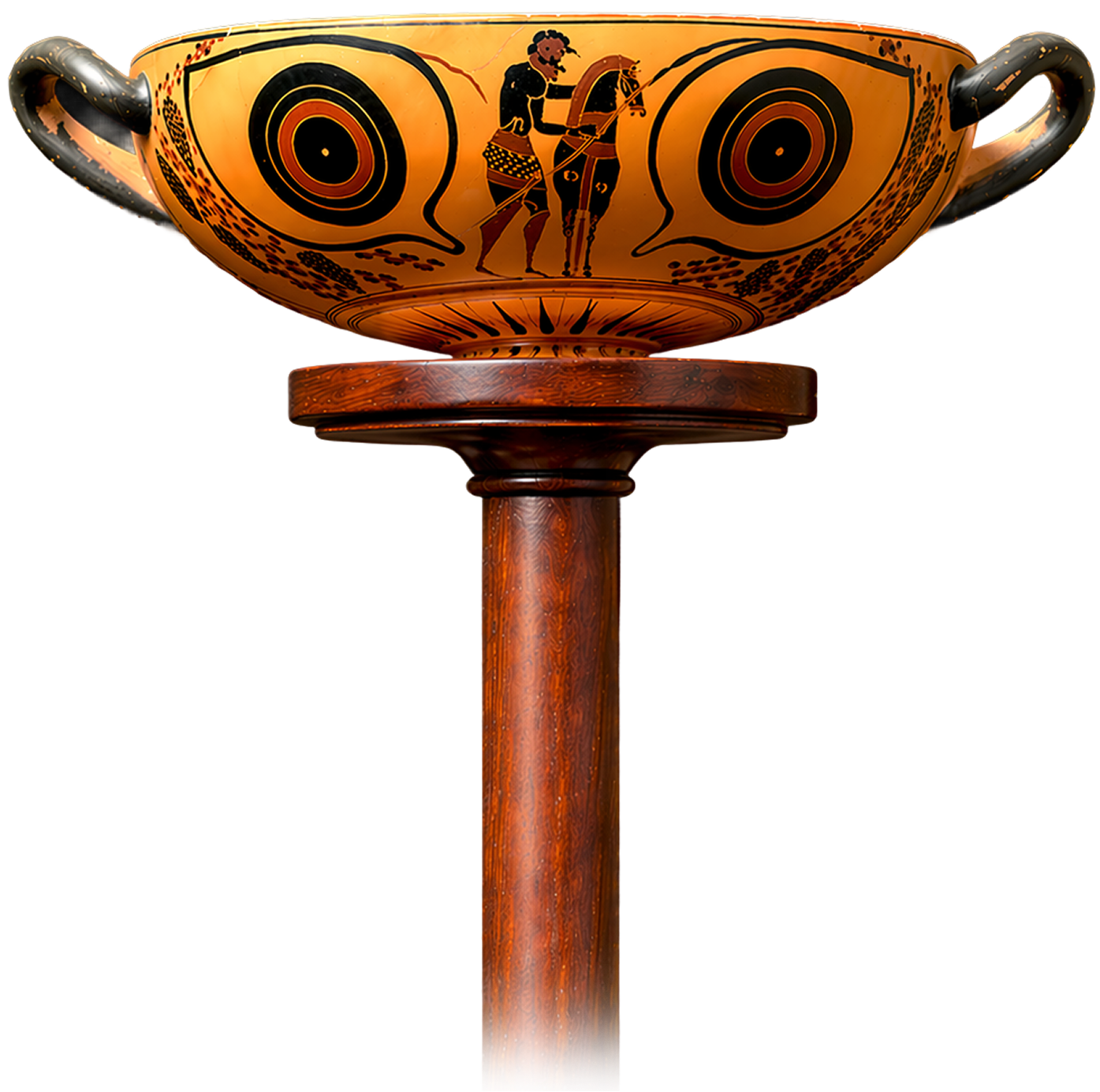
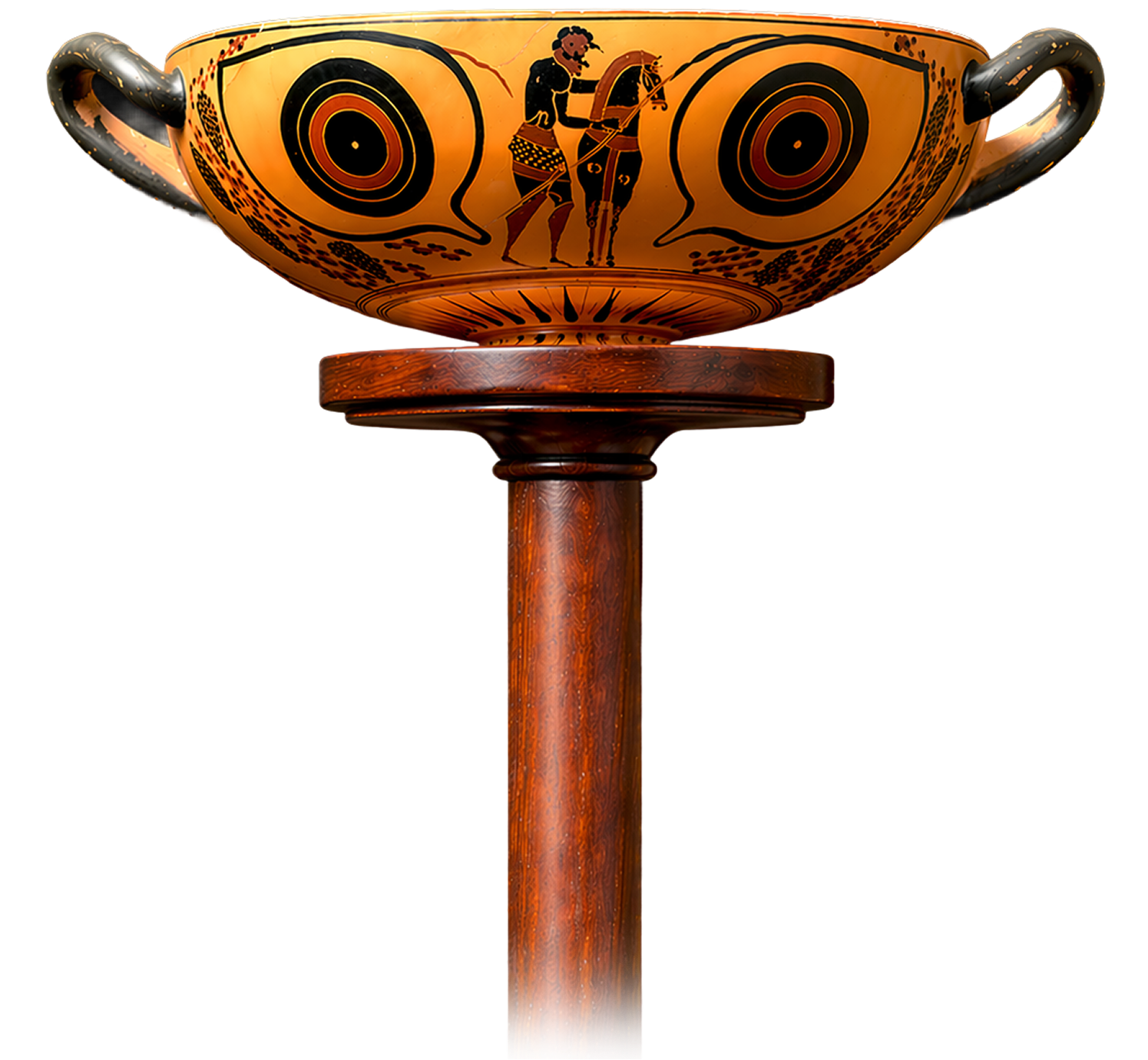
The Greeks name it — the baskania, the envious gaze that causes harm. Artisans paint large eyes on drinking vessels, stamp them onto thresholds, embed them in the prows of ships.


The eye is now both watcher and ward. It protects by watching back.


This is the first moment the eye becomes bidirectional — seeing and being seen, simultaneously present on both sides of every gaze.

The Eye That Guards

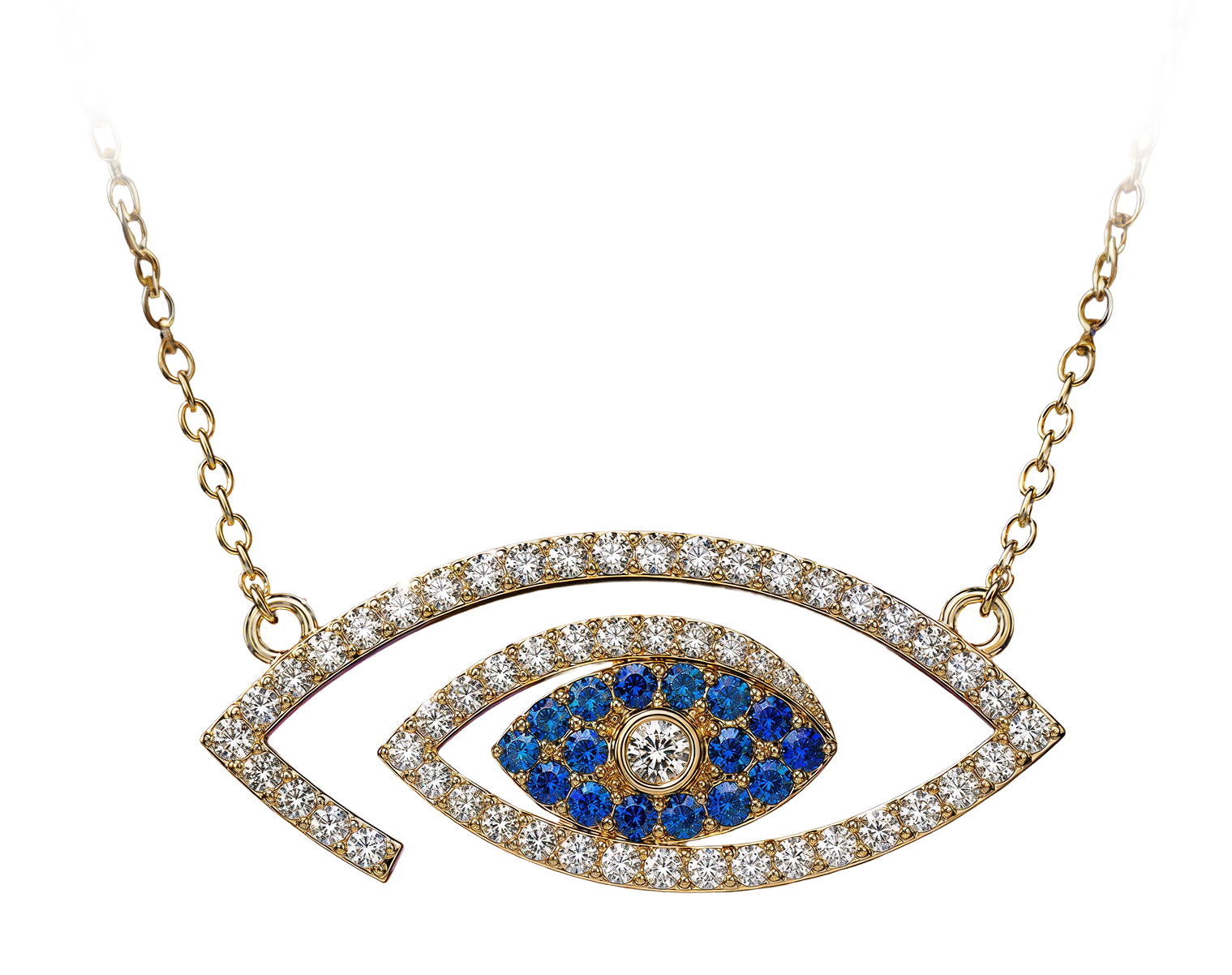
✦ The open almond silhouette of the kylix eye is the exact form of Aynati.

CHAPTER IV

14th CENT. Medieval Islamic World

In Sufi thought, the eye undergoes its most profound transformation.


Al-Ghazali writes of the basira — the inner eye of the heart — as the seat of spiritual perception. Ibn Arabi maps the divine gaze as a form of witnessing that creates what it sees.


The eye is no longer only protective. It is contemplative.


It no longer just wards off harm — it cultivates clarity.


This is the lineage Aynati most directly carries.

The Eye That Sees Within

✦ The white diamond at the center of Aynati is the basira, the seat of the inner witness.

CHAPTER V

16th CENT. Ottoman Empire & Beyond

In the classical Mediterranean world, the eye finds its shadow.


The Greeks name it — the baskania, the envious gaze that causes harm. Artisans paint large eyes on drinking vessels, stamp them onto thresholds, embed them in the prows of ships.


The eye is now both watcher and ward. It protects by watching back.


This is the first moment the eye becomes bidirectional — seeing and being seen, simultaneously present on both sides of every gaze.
The Eye That Guards

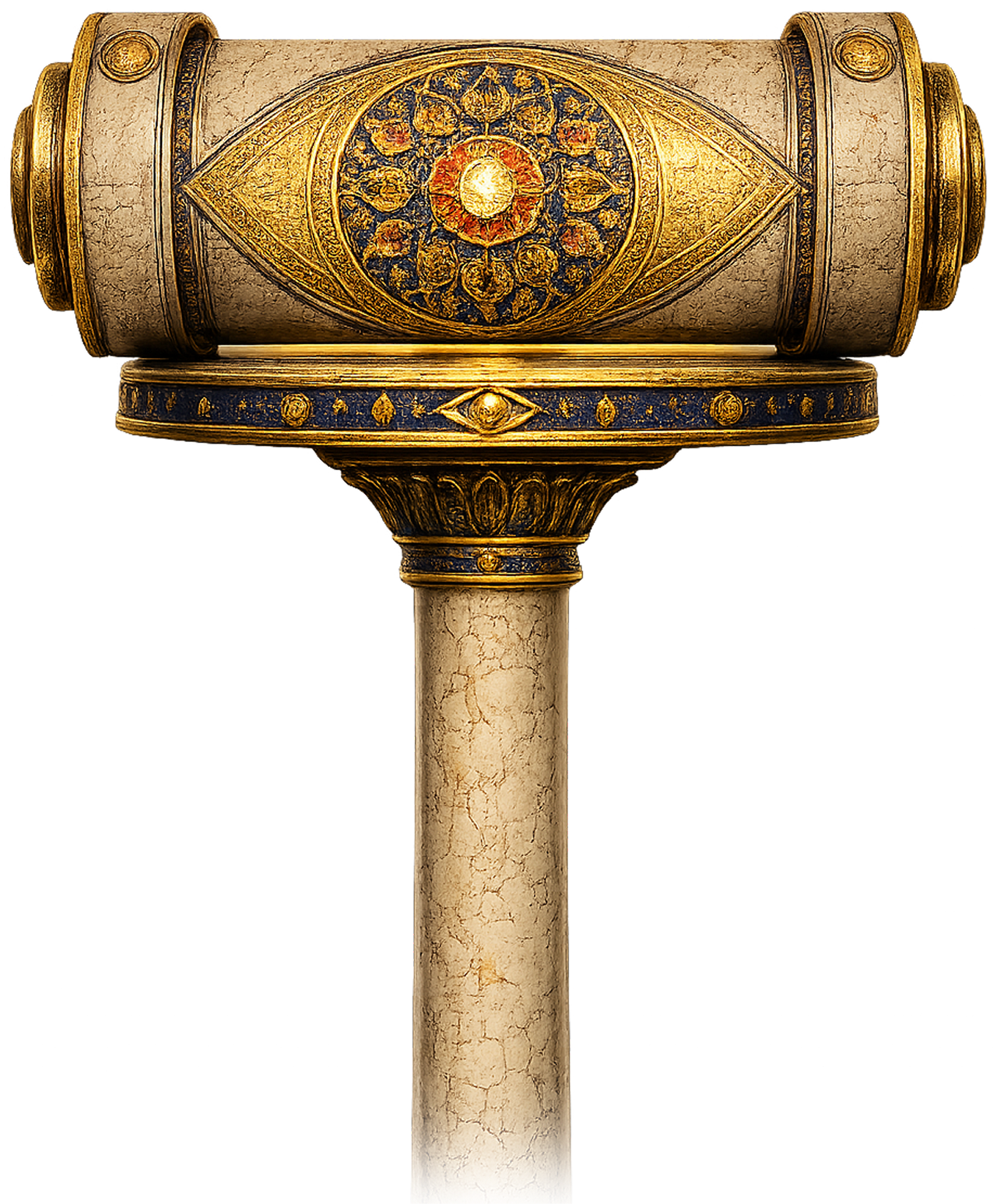
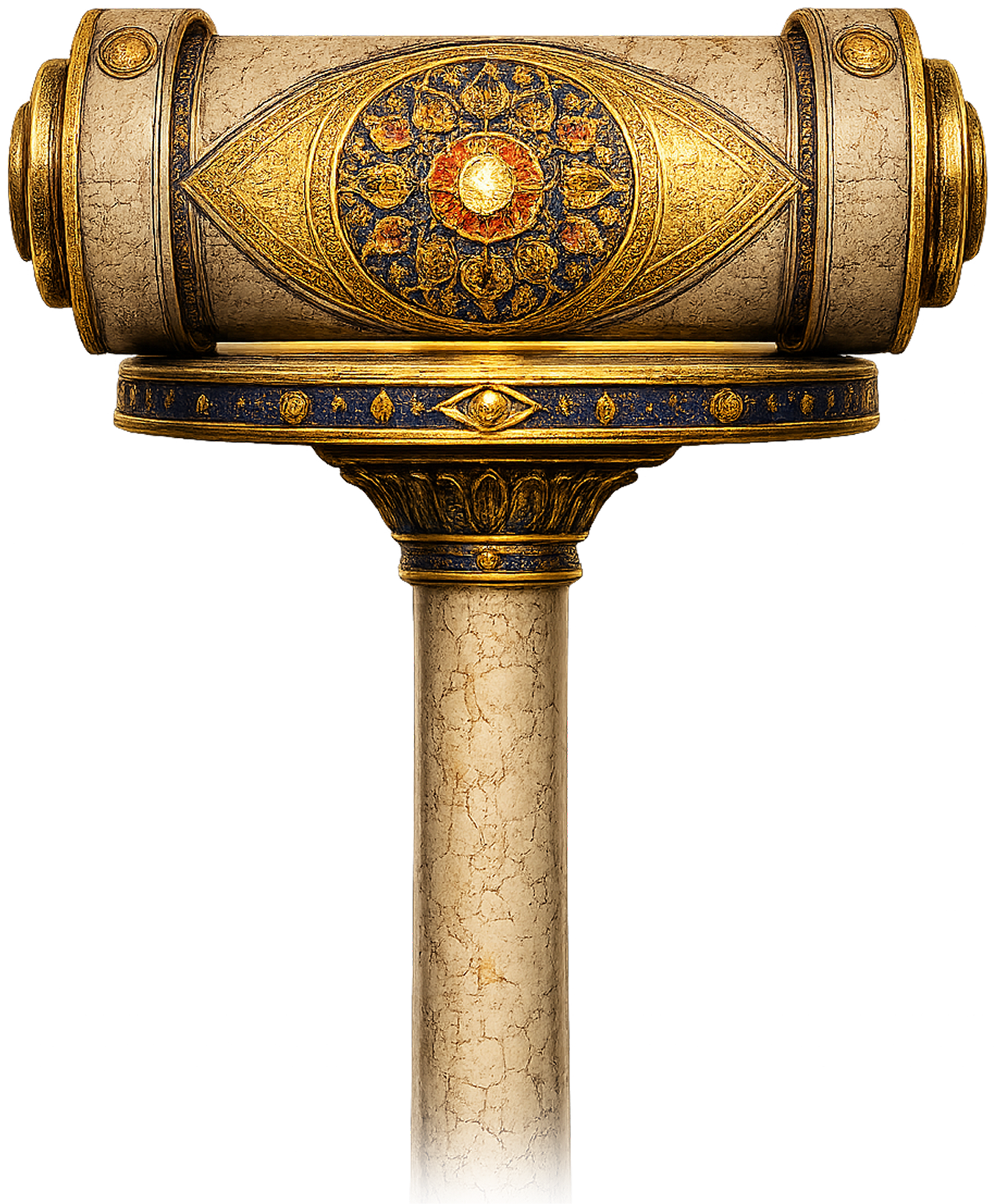
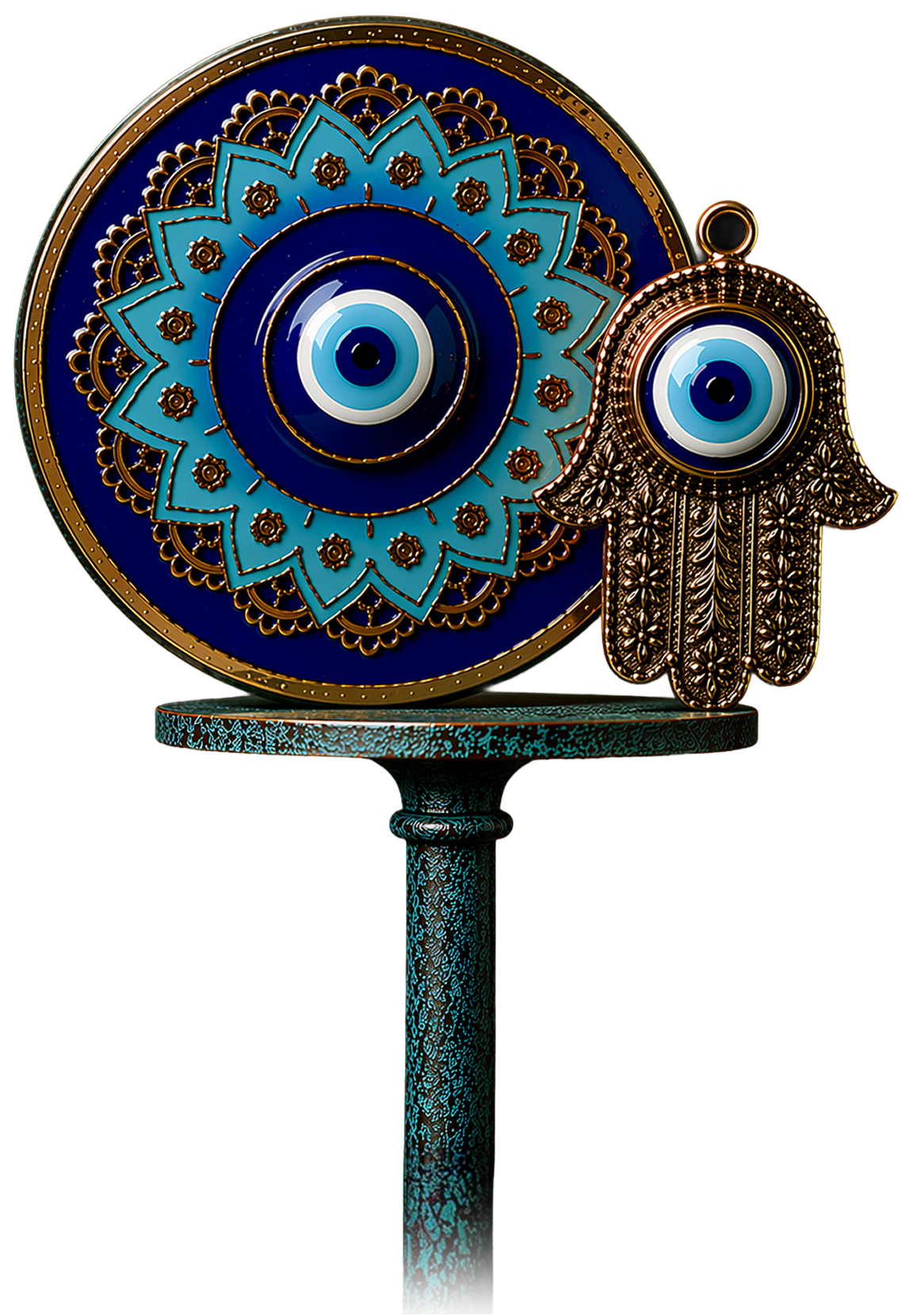
✦ The concentric rings of the nazar, blue within blue within gold, are the complete architecture of Aynati.

The eye returns to you.

Carry it.

Five thousand years of sight. One piece. Handcrafted by Jehan, made to order, made for you.